
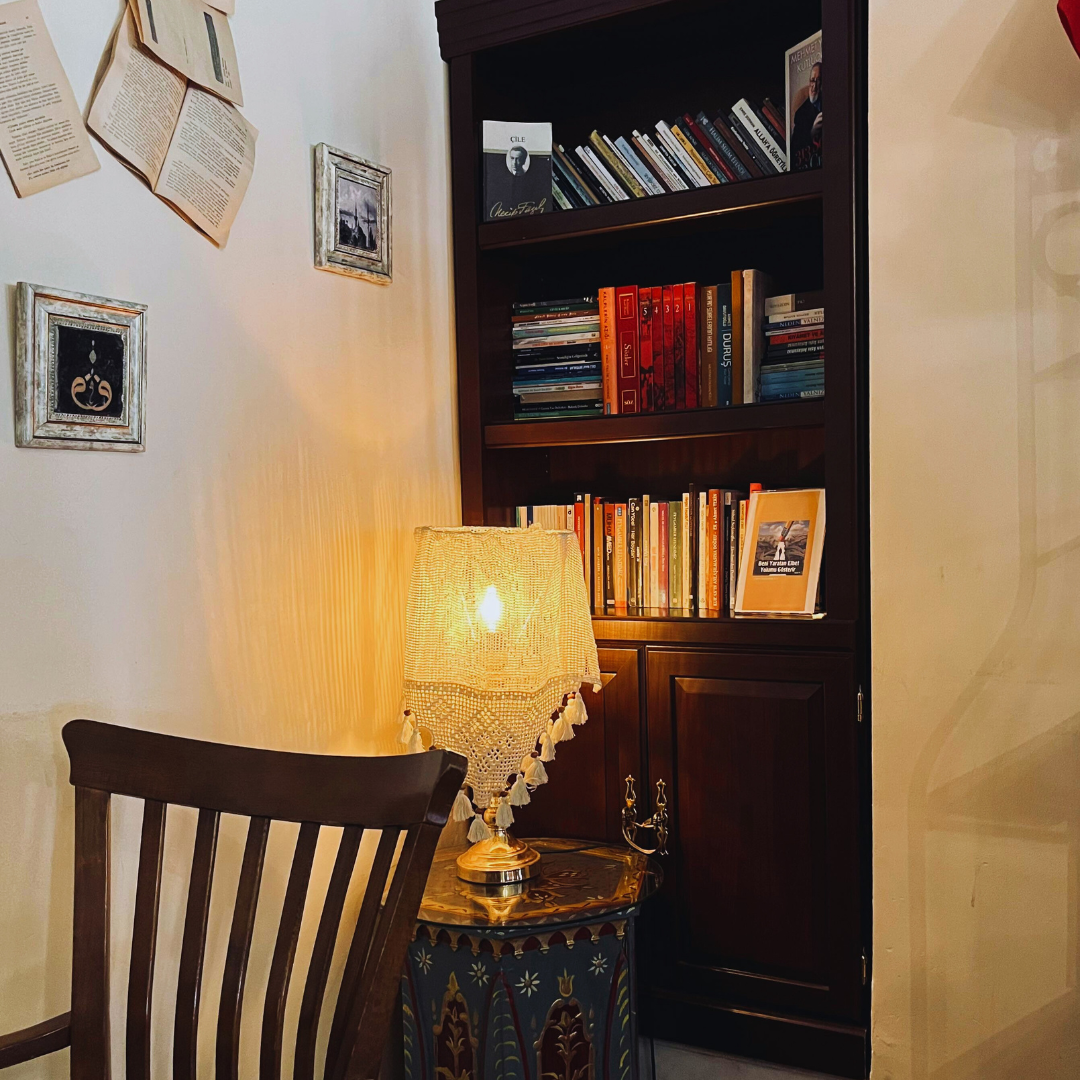
Lighting Tips for Instant Cosiness to Transform Your Home Ambience
Creating an instant cosy atmosphere in any space largely depends on the lighting choices made. Using warm, soft lighting with adjustable brightness levels is the key to achieving immediate comfort and warmth. This approach helps transform even the most basic rooms into inviting retreats.
Layering different light sources, such as table lamps, candles, and fairy lights, adds depth and a personalised touch without overwhelming the room. Selecting bulbs with a warm colour temperature, around 2700K to 3000K, supports a pleasant and soothing environment.
Simple changes like dimming options and avoiding harsh overhead lights can make a significant difference. These practical lighting tips focus on creating calm and relaxation, encouraging readers to rethink how their spaces are lit.
Fundamentals of Creating Instant Cosiness with Lighting
Effective cosy lighting relies on combining warmth, correct bulb choice, and strategic placement. Integrating multiple light sources enhances depth and ambience, while selecting the right colour temperature creates a welcoming atmosphere that feels inviting immediately.
Choosing Warm Light Bulbs
Warm light bulbs, typically between 2,700K and 3,000K in colour temperature, emit a soft yellowish glow suited for cosy environments. They reduce harsh shadows and minimise blue light exposure, which can disrupt relaxation.
LED bulbs labelled as “warm white” preserve warmth without excess energy use or heat. It’s important to avoid bulbs that appear overly bright or cool white, as they create sterile, clinical spaces rather than inviting ones. He or she should prioritise bulbs with a high colour rendering index (CRI) above 80 for accurate colour appearance and comfort.
Understanding Layers of Light
Layers of light combine ambient, task, and accent lighting to add dimension and flexibility to a room. Ambient light provides general illumination, task lights focus on specific activities, and accent lights highlight features or create a mood.
For cosy lighting, ambient glow should be soft and evenly distributed. Task lighting, like reading lamps, adds function without overpowering the warmth. Accent lights placed strategically can create pockets of soft light, promoting intimacy and relaxation.
Positioning Table and Floor Lamps
Table lamps and floor lamps are essential for adding layers and focus. Placing table lamps near seating areas ensures soft, accessible light for reading or conversation. Positioning floor lamps behind sofas or next to armchairs adds vertical interest and fills shadows.
It is best to avoid harsh overhead lighting by relying more on these floor and table lamps, which create pools of warm light. Lampshades with fabric diffusers soften light further, preventing glare and promoting a calm, cosy atmosphere.
Practical Tips for Achieving a Cosy Atmosphere
Creating a cosy atmosphere requires careful control of light sources and brightness. Using varied lighting elements helps to add warmth and softness to any space, enhancing comfort and relaxation.
Incorporating Candles and Lanterns
Candles provide a natural, flickering light that instantly adds warmth to a room. They are best placed in clusters on stable surfaces, such as coffee tables or shelves, to create pockets of soft illumination.
Lanterns combine design with function, offering a contained light source that spreads gentle, warm light. They are especially useful outdoors or in corners where overhead lighting is too harsh. Selecting unscented candles prevents overwhelming fragrances, ensuring the lighting remains the key focus.
Safety is essential. Use candle holders made from heat-resistant materials and never leave candles unattended. Battery-operated candles are an alternative for maintaining ambience without fire risk.
Utilising Fairy Lights and String Lights
Fairy lights and string lights create a delicate glow, perfect for adding subtle texture to a cosy space. Drape them around windows, headboards, or plants to frame key areas with warmth.
LED-based string lights are energy-efficient and long-lasting, minimising both heat output and electricity use. Opt for warm white tones rather than cool whites to maintain a comfortable light temperature.
For versatility, choose lights with multiple settings, such as steady, twinkle, or fade. This allows the atmosphere to be adjusted according to mood or time of day.
Using Dimmer Switches and Adjustable Lighting
Dimmer switches provide precise control over light intensity, essential for shifting from practical to cosy lighting with ease. They work well with ceiling fixtures, lamps, and wall lights.
Adjustable lighting, such as lamps with movable heads or variable bulb brightness, offers flexibility to direct light where it’s needed without brightening the entire room.
Installing dimmers compatible with warm white bulbs ensures the colour temperature remains inviting at all levels. This technology supports creating layers of light, making rooms feel more intimate and calming.
Styling and Accents to Enhance Warmth
Soft materials and tactile elements significantly boost a room’s warmth and visual appeal. Carefully chosen pieces add both comfort and style, enriching the atmosphere without overwhelming the space.
Adding Throws and Rugs
Throws are essential for creating instant warmth in any seating area. Wool or chunky knit fabrics offer tactile softness and visual texture. Draping a throw over the arm of a sofa or the back of a chair invites relaxation and adds colour without clutter.
Rugs anchor a space and offer underfoot comfort. Natural fibres like wool or jute provide warmth and durability. Layering smaller rugs on top of larger ones can create depth and interest in living areas.
Integrating Natural Textures
Natural textures introduce organic warmth and are key in thoughtful interior design. Rattan and wicker furniture or accessories bring an earthy quality that pairs well with varied lighting.
Incorporating wooden elements, such as side tables or shelving, adds subtle warmth through grain and tone. Mixing smooth and rough textures — like soft velvet cushions with a wicker basket — increases tactile variety and cosy appeal.
Decorative Accents for Personal Touch
Small decorative accents personalise a space and highlight warmth. Items like ceramic candles, framed photos, or handmade pottery contribute charm without overcrowding.
Choosing accents in warm hues such as burnt orange, terracotta, or deep browns enhances the glow created by lighting. Grouping these on shelves or mantelpieces reinforces a sense of curated comfort and intentional style.
Lighting Solutions for Specific Spaces
Different rooms and corners require tailored lighting approaches to enhance comfort and functionality. The focus should be on the balance between ambient, task, and accent lighting to suit the space’s purpose and user needs.
Creating a Cosy Reading Nook
A dedicated reading nook benefits most from task lighting that provides clear, focused illumination without glare. A fabric-shaded floor lamp is ideal here. It softens the light while directing it downward, avoiding eye strain.
Position the lamp slightly behind and to the side of the seating to prevent shadows on the book. Warm white bulbs (2700K-3000K) help maintain a relaxed atmosphere.
Adding a small dimmable lamp allows control over light levels depending on daylight and preference. This setup supports long reading sessions comfortably and promotes a cosy environment.
Lighting Ideas for Bedrooms and Living Areas
Bedrooms and living spaces require a combination of lighting for different activities. Layered lighting is crucial: ambient light for general use, task lighting for focused activities, and accent lights to create a mood.
Use bedside lamps with fabric shades for soft light. In living areas, consider table lamps and floor lamps that offer warm light tones and diffuse brightness evenly.
Dimmable features help adjust lighting for relaxation or alertness. Incorporate LED bulbs to reduce heat output and energy consumption.
Optimising the Overhead Light
Overhead lighting often serves as the primary source, but it can feel harsh if not managed properly. Use fixtures with diffusers or frosted covers to soften brightness.
Integrating a dimmer switch improves flexibility, enabling adjustment between bright light for tasks and low light for winding down.
Position LED overhead lights warm on the colour temperature scale to enhance cosiness without sacrificing practical illumination in a room. Avoid direct, cold white bulbs that create sterile atmospheres.
Leave a Reply